 Nederlands
  English
 The world has a water problem...
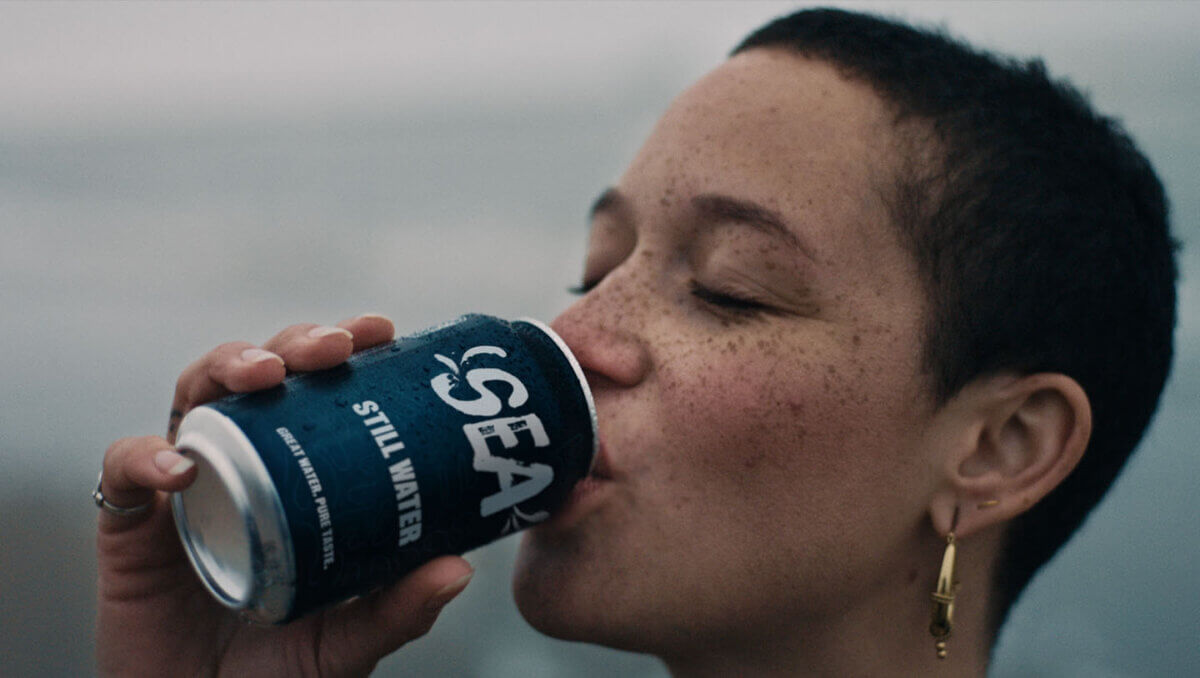
We're rethinking it from the source.
70% of our planet is covered in water, yet less than 1% of it is available to drink. Two billion people already lack access to clean drinking water. 75% of the world’s population already lives in countries classified as water-insecure or critically water-insecure¹ .
And yet, the industry’s answer has been to pump from overexploited freshwater sources, run energy-hungry desalination plants on fossil fuels, and ship plastic bottles across oceans. The very process of delivering water is making the climate crisis, and the water crisis, worse.
We think that’s absurd. So we built something different.

Water made where it's needed
We don’t tap into dwindling freshwater reserves or compete with local communities. We start with the most abundant source on Earth, the ocean, and turn it into clean drinking water right where people consume it.
Our modular desalination systems run on 100% renewable energy, and are up to 75% more energy-efficient than conventional methods. Producing locally means no long-haul transport, no unnecessary emissions. For Dutch consumers alone, choosing SEA Water saves an average of 0.21 kg CO₂ per bottle compared to imported alternatives – only in transport emissions. The Netherlands drinks 31 litres of bottled water per person every year². Choosing local makes a real impact.
This isn’t just a product. It’s a model that can bring secure water access to communities anywhere in the world.
Packaging that doesn’t outlive its purpose
Plastic was designed to last forever. We’ve all turned it into the world’s most common piece of trash.
By 2060, plastic use is projected to triple, generating over one billion tonnes of waste annually³. We’re not interested in being part of that number.
That’s why SEA Water comes in aluminium cans and returnable glass bottles. Aluminium recycles indefinitely without losing quality: 75% of all aluminium ever produced is still in circulation today⁴ . Our glass bottles are designed to be returned, cleaned, and refilled: a system that cuts CO₂ emissions by 83% compared to single-use glass.
We can’t recycle our way out of the plastic crisis. Real change means rethinking the materials we choose in the first place.

Giving back to the source
We take water from the ocean. That means we owe the ocean something in return.
Every time you crack open a can or twist open a glass bottle, part of the proceeds goes directly to organisations actively working to protect and restore our oceans and ecosystems. We call them our Partners for Life.
Our first partner is ReefSystems: a pioneer in coral reef restoration and exactly the kind of real, lasting work we’re proud to support. As we grow, so does our commitment to the ecosystems we depend on.

Proof, not just promises
In 2025, SEA Water became a Certified B Corporation™, verified by B Lab to meet standards of environmental and social performance, transparency, and accountability. For us, this certification isn’t a finish line. It’s a compass.
We’ve also collaborated with universities on Life Cycle Assessments that scrutinise our footprint and hold us accountable. We open our doors to students and researchers, contribute to academic work wherever we can, and participate in projects exploring regenerative development and community-centred planning.
If you’re a student, researcher, artist, or educator working on water, sustainability, or circular systems, we’d love to hear from you.

Always improving
We don’t have all the answers. We’re just getting started.
We’re actively mapping our impact, scaling our model, and building partnerships with organisations that share our belief that water should work for people and the planet, not against them. You can follow our progress, see what we’ve learned, and hold us to it.
Read more about our progress and goals for the future in our latest progress report.
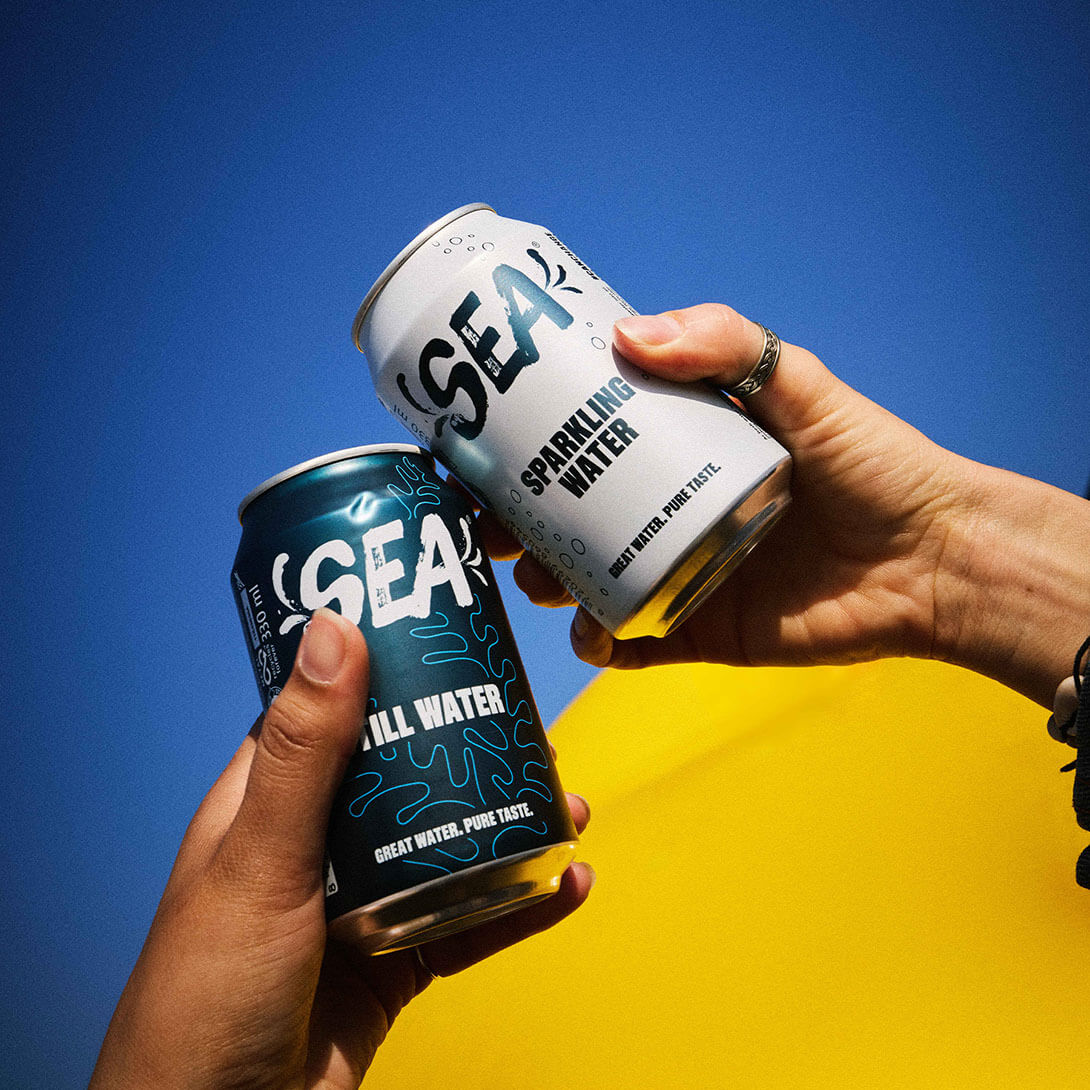
Every can counts. Join the movement.
#CanChange began with a simple idea: that a single can of water could be the start of something bigger. A different way to think about where water comes from, how it’s made, and what it gives back.
Every time you choose SEA Water, you’re part of that. Let’s keep going.
Sources:
¹ Madani K, United Nations University Institute for Water, Environment and Health (2026).
² Natural mineral waters statistics (2024).
³ OECD (2022).
⁴ International Aluminium Institute.